Introduction of 6 2 Python Libraries Math And Random
Looking for the latest information on 6 2 Python Libraries Math And Random? We've compiled comprehensive data, records, and insights about 6 2 Python Libraries Math And Random.
Main Features
Explore the main sources for 6 2 Python Libraries Math And Random.
Developments
Stay updated on 6 2 Python Libraries Math And Random's newest achievements.
Python Libraries Part - 1: Built-in Libraries
#15 Python Tutorial for Beginners | Import Math Functions in Python
Python Full Course❤️|🔢Python Libraries: Math, Datetime, Statistics & Random with Examples Lecture 29
Using Python for Math | Introducing Lists and the Random Library for Python
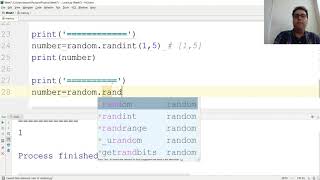
Python Libraries-math,random
Learn NUMPY in 5 minutes - BEST Python Library!
Python Standard Library Explained | math, random, datetime, os & sys| @ExcitedNuclei
25- What is Math and Random Modules in python
Python's Math Library
How To Use The MATH Library In Python | 6 [Part 1] - Fedorae Education
Python- Function, Random and Math Library, String manipulations
Full Guide
Data is compiled from public records and verified media reports.
Last Updated: September 21, 2026
Summary
For 2026, 6 2 Python Libraries Math And Random remains one of the most talked-about information profiles. Check back for the latest updates.
Disclaimer: Disclaimer: All information is compiled from publicly available data, media reports, and analysis. Actual details may vary.
Summary
CS021 - Computer Programming I University of Vermont Supplement video for Tony Gaddis, Starting out with About This Video: Hi friends! I'm DigitalGuffNepal. In this video, you will learn about some important Thanks for watching my video. Some other videos I published: This video shows you how to import and use the our courses: Agentic AI Engineering with This video introduces Lists and the ... मींस तो हिट कंधे रिमेंबर्ड बिटवीन टू Learn Numpy in 5 minutes! A brief introduction to the great So one of the things that are pretty much the reason why we to use uh say In this video we will look at using the Introduction to Functions: Generating





![How To Use The MATH Library In Python | 6 [Part 1] - Fedorae Education](https://i.ytimg.com/vi/XIey4QAdido/mqdefault.jpg)